
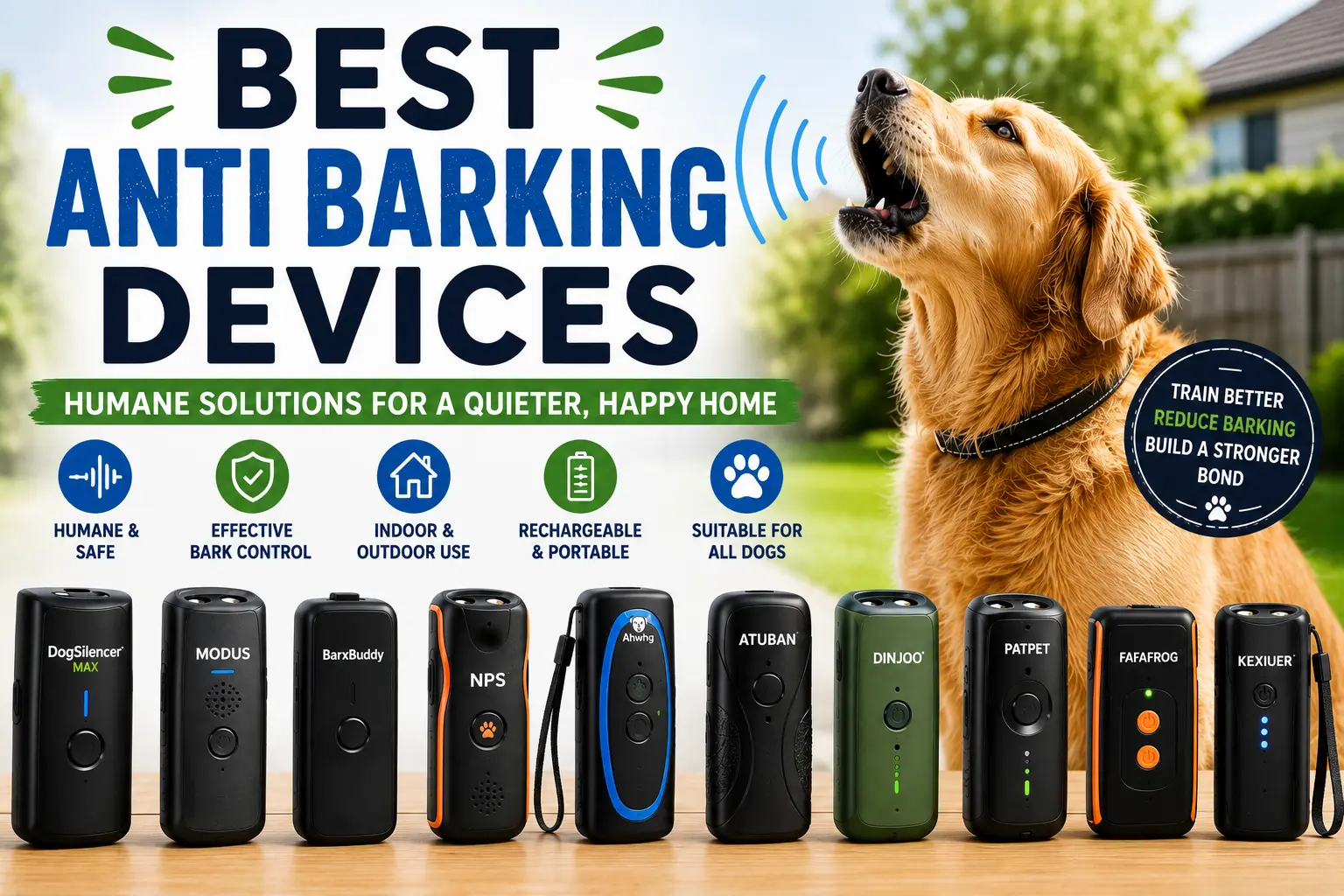
Excessive barking can be challenging for both dog owners and neighbours, but the best anti barking devices can help encourage quieter behaviour when used responsibly alongside positive training. From ultrasonic bark deterrents to vibration and citronella-based options, there are solutions suitable for different breeds, sizes and training needs. Choosing a safe, humane device is essential to ensure your dog remains comfortable while learning better behaviour. In this guide, we’ve compared the 10 best anti barking devices, highlighting their key features, advantages, limitations and overall value. Our expert recommendations will help you choose the right bark control solution for your dog.
Our Top Picks


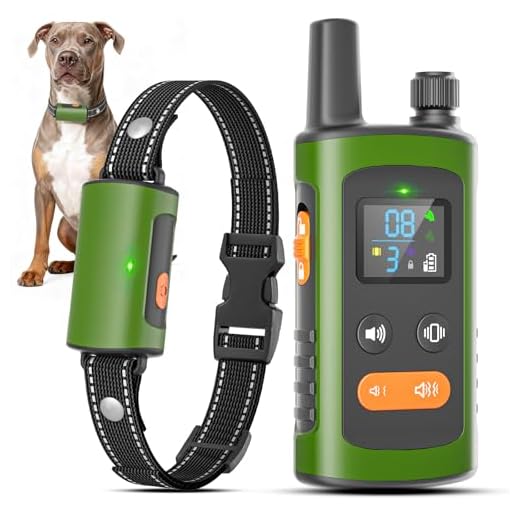


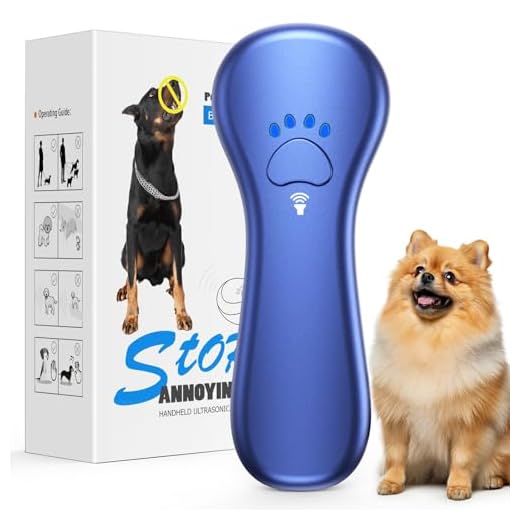

The QueenMew Anti Barking Device (33ft) is a good starter stationary or handheld ultrasonic device for home use, with three adjustable frequency settings and a rechargeable battery that provides a long standby time between charges.
The Aemmbon Barxbuddy is a portable handheld option that suits owners who want a compact device to use on walks and in the home, emitting 25kHz ultrasound at the press of a button.
The Honey Paws Anti Barking Device stands out for its 50ft range, dual-frequency ultrasonic system, and automatic 8-second safety shut-off, giving it a stronger safety and versatility profile than many similarly priced devices.
The Holercoco 65ft ultrasonic device is suited to owners who want a portable device with extended outdoor range — covering a reasonable area in a garden or open space.
The PcEoTllar Rechargeable Bark Collar is a no-shock collar using vibration and beep modes only, with seven adjustable sensitivity levels and a rechargeable battery — a practical choice for owners who prefer collar-based training without static stimulation.
The Ahwhg Anti Barking Device is notable for its dual-frequency approach (25kHz and 30kHz) in a compact form that fits in the palm of a hand, with an impressive claimed battery life suited to walks and daily use.
The BARYAAB 25kHz Ultrasonic Dog Trainer is a budget-accessible handheld ultrasonic device for owners who want a simple, affordable option for occasional use.
The LOSLAI Anti Bark Collar is a no-shock, beep-and-vibration collar with five adjustable sensitivity levels, suited to owners who want a collar-based training aid without electric stimulation.
The QueenMew Bubbacare is a handheld ultrasonic device with a built-in LED flashlight, adding a practical outdoor feature alongside the bark deterrent function.
The Holercoco Training Collar with 3200ft Remote is a remote training collar — confirm operating modes before purchasing, and verify compliance with current UK legislation regarding electronic training devices.
In-Depth Reviews | Dog Barking Deterrent
1. QueenMew Anti Barking Device — 33ft Ultrasonic
Dog Bark Stopper for Indoor & Outdoor, Waterproof
Features
| Part Number | 2 |
| Model | 2 |
| Warranty | 1 |
| Color | Black |
Award
Best Home Ultrasonic Bark Deterrent
Best For
Owners who want an automatic, hands-free ultrasonic bark deterrent that can sit on a desk, shelf, or be used handheld — suitable for home, garden, and outdoor use.
Overview
The QueenMew 33ft model is one of the more versatile ultrasonic devices in this category, functioning as both a stationary unit and a handheld device. Three adjustable frequency settings (within a 15–30kHz range) allow owners to tailor the ultrasonic output to their dog’s size: lower settings suit larger dogs, higher frequencies for smaller breeds. The built-in sound detection sensor picks up barking and triggers automatically, making it useful when you’re not in the room. A rechargeable battery provides a useful standby period between charges. An LED indicator shows operational status. Build quality is compact and lightweight, and the device comes with a wrist strap for handheld use outdoors.
Key Features
- Ultrasonic technology (15–30kHz adjustable frequency range)
- Three adjustable frequency/sensitivity settings
- Sound detection sensor for automatic activation
- Rechargeable battery via USB
- LED indicator (blue = working, red = standby/low battery)
- Lightweight, compact design
- Wrist strap included
- Indoor and outdoor use
- No shock — ultrasound only
Pros
- Three frequency settings help tailor the device to different dog sizes
- Auto-activation via sound sensor is useful when unsupervised
- Compact enough to use handheld on walks or place on a shelf at home
- Rechargeable battery is practical for everyday use
Cons
- IP4 water resistance — not designed for heavy rain or wet weather
- 33ft range is adequate for most indoor spaces but limited in larger gardens
Verdict
The QueenMew 33ft is a solid starting point for owners new to ultrasonic bark deterrents. The combination of auto-activation and three adjustable frequency settings gives it practical flexibility across different dog sizes and environments. It works best in average-sized rooms and gardens, and the rechargeable battery removes the ongoing cost of replaceable batteries. Like all ultrasonic devices, results vary by individual dog — some respond immediately, others require consistent use over a couple of weeks. As a training aid used alongside positive reinforcement, it offers reasonable value for the price.
2. Aemmbon Barxbuddy Anti Barking Device
Award
Best Handheld Portable Trainer
Best For
Owners who want a compact, pocketable handheld ultrasonic device to use on walks, during training sessions, or at home — particularly those who want to press a button manually rather than relying on automatic activation.
Overview
The Aemmbon Barxbuddy is a handheld-style ultrasonic trainer designed for direct, on-demand use: point it at the dog and press the button to emit an ultrasonic pulse that most dogs will register. The 25kHz frequency is inaudible to humans but within the hearing range of most dogs. Build quality is compact and pocket-friendly, with a wrist strap for carrying convenience. The rechargeable design makes it straightforward to keep charged for daily walks. It is designed as a training aid for dogs from 6 months to 8 years old. As with all handheld ultrasonic devices, it works best in combination with a clear “quiet” command and consistent positive reinforcement when the dog responds.
Key Features
- Ultrasonic technology (25kHz fixed frequency)
- Handheld design
- Rechargeable battery via USB
- Wrist strap included
- Compact, pocket-sized build
- Indoor and outdoor use
- No shock — ultrasound only
Pros
- Compact and pocketable for use on walks
- Simple one-button operation is accessible for all owners
- Rechargeable for everyday use without battery replacement costs
- Inaudible to humans — avoids noise disturbance when used in public
Cons
- Fixed single frequency may not suit all dogs equally
- No automatic activation — requires manual operation
Verdict
The Barxbuddy is well suited to owners who want an on-the-spot training tool for walks rather than a home-based device. The manual activation puts you in control of when the ultrasound is emitted, which means it can be used as part of a deliberate training moment — bark, emit ultrasound, dog pauses, reward the pause — rather than relying on automatic sensor triggering. Effectiveness depends heavily on the individual dog, and results will be more consistent when the device is used as part of an ongoing training routine rather than as a standalone solution.
3. Honey Paws Anti Barking Device — 50ft Range
Rechargeable Bark Deterrent Devices, Dogs Training Tool
Features
| Model | Q01 |
| Warranty | 1 Year |
| Color | Orange |
Award
Best Overall Ultrasonic Anti Bark Device
Best For
Owners who want a longer-range, dual-frequency handheld ultrasonic device with an automatic safety shut-off — suitable for use on walks, in the garden, or at home.
Overview
The Honey Paws 50ft device has a more considered safety design than many comparable products. The dual-frequency system (fixed 22kHz and variable 22–28kHz) means the ultrasound can vary, which may help prevent dogs from habituating to a single repeated tone. Crucially, it includes an automatic 8-second shut-off after ultrasonic activation, which is a sensible design choice that limits continuous exposure. The 50ft range is considerably greater than many rivals at a similar price, making it more practical outdoors and in larger rooms. Battery life is claimed at approximately 60 days of use and 180 days standby, which is impressive. The compact build includes a wrist strap and is ergonomically designed for comfortable carry.
Key Features
- Dual-frequency ultrasonic (fixed 22kHz and variable 22–28kHz)
- 50ft effective range
- Automatic 8-second shut-off safety feature
- Rechargeable battery (USB, 2 hours charge)
- Claimed ~60 days use / ~180 days standby battery life
- Wrist strap included
- Compact portable design
- Indoor and outdoor use
- No shock — ultrasound only
Pros
- Dual-frequency system reduces the risk of dogs habituating to a single tone
- Automatic 8-second shut-off is a practical and safety-conscious design feature
- Extended 50ft range suits larger outdoor spaces better than shorter-range rivals
- Impressive claimed battery life reduces charging frequency
Cons
- Not for use on dogs under 6 months, over 8 years, or with hearing impairment — check suitability
- Like all ultrasonic devices, effectiveness varies by individual dog
Verdict
The Honey Paws 50ft model earns the best overall spot largely because of its thoughtful design choices: the dual-frequency system, the automatic shut-off, and the longer range all represent genuine improvements over simpler ultrasonic devices. It suits a wide range of everyday situations — garden use, walks, home training — and the battery life removes one of the most common frustrations with rechargeable devices. It’s still a training aid rather than a guaranteed solution, and consistent use alongside reward-based training will give the best results.
4. Holercoco Anti Barking Device — 65ft Portable
Award
Best Extended-Range Portable Device
Best For
Owners who need a portable ultrasonic deterrent with the longest range of the handheld options on this list — suited to larger gardens, training in open spaces, or for managing dogs barking on the other side of a garden fence.
Overview
The Holercoco 65ft portable device is positioned at the longer-range end of the handheld ultrasonic category. The 65ft coverage is a meaningful step up from the 33ft devices, making it more practical for outdoor use in larger gardens or in situations where you need to act at distance. Build quality is described as portable and compact, and the device is designed as a safe, humane alternative to shock-based approaches. As with most devices in this category, it emits ultrasound within the frequency range dogs can hear but humans cannot. It is suited to use on dogs aged 6 months and over.
Key Features
- Ultrasonic technology
- 65ft effective range
- Portable, handheld design
- Rechargeable battery
- Safe and humane — no shock
- Indoor and outdoor use
Pros
- 65ft range is the largest among the portable ultrasonic devices on this list
- Portable design suits both home use and outdoor walks
- Humane approach — no electric stimulation
- Straightforward to operate
Cons
- Specific technical details on frequency settings are less openly documented than some rivals
- Range will naturally reduce in enclosed spaces and when obstructions are present
Verdict
For owners who find the 33–50ft range of standard devices insufficient for their garden or outdoor environment, the Holercoco 65ft model offers a practical step up. The extended range makes it useful for covering a larger area without needing to move closer to the dog. It’s best suited to outdoor scenarios where distance is the limiting factor. As with all ultrasonic devices, response will vary between individual dogs, and patience combined with consistent positive reinforcement training will produce better long-term results than the device alone.
5. PcEoTllar Rechargeable Bark Collar — Vibration and Beep
Award
Best No-Shock Bark Collar
Best For
Owners who want a collar-based training aid that uses vibration and beep modes only — with no electric shock — and who need seven adjustable sensitivity levels to suit different dogs and environments.
Overview
The PcEoTllar bark collar is a no-shock device, relying on vibration and an audible beep to interrupt barking behaviour rather than electric stimulation. This distinction matters particularly in the UK, where electronic shock collars are banned in England and Wales. The collar offers seven sensitivity levels, which allows owners to dial in an appropriate response for different environments — higher sensitivity for quieter surroundings, lower for noisier settings. The intelligent detection function is designed to distinguish the specific frequency and decibel of your dog’s bark from surrounding sounds. The adjustable collar strap fits neck circumferences of 22–55cm, accommodating small, medium, and large breeds over 5kg and from 6 months of age. The collar is also waterproof and dustproof.
Key Features
- Vibration and beep modes only — no electric shock
- 7 adjustable sensitivity levels
- Intelligent bark detection (frequency and decibel discrimination)
- Waterproof and dustproof
- Rechargeable battery
- Adjustable strap (22–55cm neck circumference)
- Suitable for dogs 5–50kg and 6 months+
- Indoor and outdoor use
Pros
- No shock — uses vibration and beep only, consistent with UK legal requirements
- Seven sensitivity levels offer fine-tuned adjustment for different environments
- Intelligent detection helps reduce false triggering from surrounding sounds
- Waterproof design suits outdoor and active dogs
Cons
- Collar-based training aids may not suit all dogs — some may develop anxiety if not introduced carefully
- Not suitable for dogs under 5kg or under 6 months of age
Verdict
The PcEoTllar is one of the most practical bark collar options for UK owners because it relies entirely on vibration and beep — no shock whatsoever. The seven sensitivity levels give genuine flexibility, and the intelligent bark discrimination helps prevent the collar triggering on every passing sound. It suits medium to large dogs particularly well, given the minimum 5kg requirement. As with any training device, a gradual introduction and consistent reward for quiet behaviour will produce more reliable results than relying on the collar alone.
6. Ahwhg Anti Barking Device — 16.4ft Compact
Rechargeable Ultrasonic Dog Bark Deterrent
Features
| Part Number | G1 |
| Model | GE - G1 |
| Color | Blue |
| Is Adult Product |
Award
Best for Walks and Short-Range Training
Best For
Owners who want a compact, pocket-sized ultrasonic device primarily for use on walks, cycling, jogging, or short-range training sessions at home.
Overview
The Ahwhg compact device takes a dual-frequency approach in a notably small form factor. It emits a 25kHz fixed frequency with a 30kHz variable frequency option, which can be switched between with a quadruple tap of the button — the variable option may help prevent habituating dogs from tuning out a single repeated tone. Range is stated as up to 16.4ft (5 metres), which is shorter than most rivals on this list, but well suited to close-quarters walk training where you’re working alongside your dog. Battery life is claimed at up to 60 days, which is an impressive standby time for such a compact device. The wrist strap makes it practical to carry on walks without using up a hand.
Key Features
- Dual ultrasonic frequencies (25kHz fixed and 30kHz variable)
- 16.4ft (5m) effective range
- Rechargeable battery (claimed up to 60 days battery life)
- Compact handheld design
- Wrist strap included
- Indoor and outdoor use
- No shock — ultrasound only
Pros
- Dual-frequency with switchable modes helps prevent habituation
- Impressive claimed battery life for a compact device
- Wrist strap makes it hands-free during walks and cycling
- Very compact and lightweight for everyday carry
Cons
- 16.4ft range is the shortest on this list — not suited to larger spaces or distance training
- Range limitations make it less effective for garden use where the dog may be further away
Verdict
The Ahwhg is best thought of as a walk companion and close-range training tool rather than a garden or home deterrent. The dual frequency helps keep it effective over time, and the battery life removes the anxiety of a device dying mid-walk. The short range is the main limitation — for anything beyond close-range training, one of the longer-range devices on this list will serve better. For owners specifically looking for a portable, low-profile device to use on leads and during close training, it’s a competent and affordable option.
7. BARYAAB 25kHz Ultrasonic Dog Trainer — 23–36ft
Award
Best Budget Ultrasonic Trainer
Best For
Owners looking for a straightforward, affordable handheld ultrasonic training device with a mid-range coverage area and simple operation.
Overview
The BARYAAB is positioned as an accessible, budget-friendly handheld ultrasonic trainer. Operating at 25kHz, it covers a stated range of 23–36ft depending on conditions, placing it between the shortest and longest options on this list. The device functions as a two-in-one tool — a bark deterrent and a general training aid for interrupting unwanted behaviours. Operation is simple: point the device at the dog and press the button to emit the ultrasonic pulse. Build quality is compact and portable. The rechargeable design avoids ongoing battery replacement costs. It suits owners who want a simple, functional device without complex settings or multiple modes.
Key Features
- Ultrasonic technology (25kHz)
- 23–36ft stated range
- Handheld design
- Rechargeable battery
- Compact, portable build
- No shock — ultrasound only
- General training and bark deterrent use
Pros
- Budget-accessible price for owners testing ultrasonic training for the first time
- Simple single-button operation with no complex setup
- Rechargeable design avoids battery replacement costs
- Mid-range coverage suits most domestic spaces
Cons
- Simpler feature set than rivals — no adjustable frequencies or automatic activation
- Effectiveness, as with all ultrasonic devices, varies by individual dog
Verdict
The BARYAAB is the sensible choice for owners who want to try ultrasonic training without committing to a more expensive device. The single-frequency, single-mode approach is simple to use, and the rechargeable battery keeps ongoing costs low. It isn’t the most feature-rich option here — there’s no adjustable frequency, no auto-activation, and no LED or extra modes — but for basic handheld ultrasonic training, it delivers what it promises. If ultrasonic training proves effective for your dog, you may want to upgrade to a device with more settings; this is a good starting point.
8. LOSLAI Anti Bark Collar — No Shock, Beep and Vibration
Award
Best Budget No-Shock Bark Collar
Best For
Owners of dogs from 6 months and above who want an affordable, rechargeable no-shock bark collar with beep and vibration modes and five adjustable sensitivity settings.
Overview
The LOSLAI anti bark collar uses beep and vibration to interrupt barking behaviour — no electric shock is involved, which is consistent with UK legislation in England and Wales. The five adjustable sensitivity levels allow owners to tailor the collar’s response threshold to their dog’s individual bark volume and the surrounding noise environment. The rechargeable battery removes the need for ongoing battery purchases. The collar is adjustable to suit different neck sizes. As with all bark collars, careful introduction is important — the collar should be fitted, tested briefly, and introduced gradually rather than left on an unsupervised dog for extended periods without prior training.
Key Features
- Beep and vibration modes only — no electric shock
- 5 adjustable sensitivity levels
- Rechargeable battery via USB
- Adjustable collar strap
- Suitable for dogs from 6 months
- Indoor and outdoor use
Pros
- No shock mode — consistent with UK regulations
- Five sensitivity levels for straightforward customisation
- Rechargeable battery for ongoing low-cost use
- Budget-accessible price point
Cons
- Fewer sensitivity levels than the PcEoTllar’s seven-level system
- Bark collars of any type require careful, gradual introduction to avoid causing stress
Verdict
The LOSLAI is a practical, affordable no-shock bark collar for owners who want to try collar-based training without the cost of premium alternatives. The five sensitivity levels give enough flexibility for most environments, and the rechargeable battery makes daily use convenient. It suits dogs from 6 months that are already comfortable wearing a collar. As always, the collar is a training tool, not a fix — using it alongside positive reinforcement training and providing rewards when the dog remains quiet will produce more reliable, lasting results than the device alone.
9. QueenMew Bubbacare Ultrasonic Bark — Portable with LED
Powerful Anti Bark for Dogs with LED
Features
| Model | 1 |
| Warranty | 1 |
| Color | Hellrot |
| Energy Efficiency Class | A |
Award
Best Portable Device with LED Flashlight
Best For
Owners who want a handheld ultrasonic bark deterrent with a built-in LED flashlight — useful for evening walks or outdoor use in low light.
Overview
The QueenMew Bubbacare is a portable handheld ultrasonic device with a built-in LED flashlight, adding a practical outdoor utility that most ultrasonic devices lack. The LED makes it useful for evening dog walks where low light makes a torch practical, combining bark deterrent and flashlight function in one compact device. Ultrasonic output helps interrupt barking behaviour in close-range training situations. The device is rechargeable and compact. The combination of ultrasonic bark deterrent with an LED means it’s more versatile as an everyday carry item for dog owners than a single-function device.
Key Features
- Ultrasonic bark deterrent technology
- Built-in LED flashlight
- Portable, handheld design
- Rechargeable battery
- Compact, lightweight build
- No shock — ultrasound only
- Indoor and outdoor use
Pros
- Built-in LED flashlight adds practical evening walk utility beyond bark deterrence
- Compact design suits pocket carry on walks
- Rechargeable for everyday low-cost use
- Two functions in one device — bark deterrent and torch
Cons
- Specific technical frequency and range details are less openly documented than some rivals
- The LED may be a distraction to some dogs rather than a useful training cue
Verdict
The Bubbacare is the most sensible choice for owners who regularly walk their dogs in low light or at night and want a combined bark deterrent and torch in a single pocketable device. The LED isn’t a training feature in itself, but as a practical everyday carry tool it makes the device more versatile than a deterrent-only unit. Results from the ultrasonic component will vary by dog, and as with all devices in this category, consistent positive reinforcement when the dog responds by stopping barking will produce the most reliable long-term training outcomes.
10. Holercoco Anti Bark Collar — 3200ft Remote Training Collar
Award
Best Remote-Controlled Training Collar
Best For
Experienced dog owners with an understanding of remote training methods who want a remote-controlled training collar for working with their dog at distance — with the important caveat that all modes must be checked carefully against UK law before purchase.
Overview
The Holercoco 3200ft remote training collar is a different category of product to the handheld ultrasonic devices reviewed above. It uses a separate handheld remote controller to communicate with a collar unit, providing the owner with the ability to activate training cues at distance. The 3200ft stated range makes it relevant for larger outdoor spaces, field training, and working with dogs that range far. Important note for UK buyers: Remote training collars with electric shock modes are banned in England (since February 2024) and Wales (since 2010). Always confirm the exact modes of the specific product listing before purchasing. If the device operates exclusively on vibration and beep modes with no electric stimulation, it may be legal — but this must be verified against the current listing and UK legislation before purchase. Treat this review as information only; confirm legality independently.
Key Features
- Remote training collar (handheld controller + collar unit)
- 3200ft stated remote range
- Rechargeable battery
- Multiple training modes (confirm specific modes on current listing)
- Adjustable sensitivity/levels
Pros
- Exceptional stated range of 3200ft for training dogs at long distances
- Remote control gives the owner immediate ability to deliver a training cue at distance
- Suitable for field work, recall training, and dogs that range far
Cons
- UK buyers must verify operating modes — shock/static modes are banned in England and Wales
- Remote training collars require experience and careful use — not appropriate for inexperienced trainers
- Even vibration-only collar modes can cause distress if used incorrectly or without proper training foundations
Verdict
The Holercoco remote collar is the most powerful tool on this list, but also the one that requires the most care, knowledge, and legal verification before purchase. The 3200ft range is genuinely useful for experienced owners working with dogs in field or outdoor training environments. However, UK buyers must confirm independently that the specific product version they are purchasing does not include a shock/static mode, given England’s 2024 ban. This device is not a starting point for inexperienced owners — it should be used only by those who understand remote training principles and have built a strong positive reinforcement foundation with their dog.
Quick Comparison Table
| Product | Best For | Device Type | Power Source | Rating |
|---|---|---|---|---|
| QueenMew Anti Barking Device (33ft) | Home and garden ultrasonic bark control | Stationary/handheld ultrasonic | Rechargeable USB | 4.3/5 |
| Aemmbon Barxbuddy | Portable handheld training on walks | Handheld ultrasonic | Rechargeable USB | 4.1/5 |
| Honey Paws Anti Barking Device (50ft) | Longer-range ultrasonic with auto shut-off | Handheld ultrasonic | Rechargeable USB | 4.3/5 |
| Holercoco Anti Barking Device (65ft) | Outdoor coverage with extended range | Portable ultrasonic | Rechargeable USB | 4.2/5 |
| PcEoTllar Rechargeable Bark Collar | Collar-based vibration and beep training | No-shock bark collar | Rechargeable USB | 4.2/5 |
| Ahwhg Anti Barking Device (16.4ft) | Walks, cycling and short-range training | Compact handheld ultrasonic | Rechargeable USB | 4.1/5 |
| BARYAAB 25kHz Ultrasonic Trainer | Budget handheld trainer for everyday use | Handheld ultrasonic trainer | Rechargeable USB | 4.0/5 |
| LOSLAI Anti Bark Collar | Collar-based no-shock bark interruption | No-shock bark collar | Rechargeable USB | 4.1/5 |
| QueenMew Bubbacare Ultrasonic Bark | Portable handheld with LED flashlight | Handheld ultrasonic with LED | Rechargeable USB | 4.2/5 |
| Holercoco Training Collar 3200ft Remote | Remote-assisted training (see notes) | Remote training collar | Rechargeable USB | 3.9/5 |
How We Chose These Products
This guide draws on publicly available product specifications, verified manufacturer features, and customer feedback from UK and international retailers. Each product was assessed against ease of use, build quality, stated range, power source convenience, safety credentials, and value for money. No first-hand testing was conducted. Particular attention was given to identifying whether each product uses electric shock modes, given UK legislation in England and Wales. Products were presented as training aids rather than guaranteed solutions, in line with the current understanding of how these devices function alongside behaviour training.
What to Look for Before Buying
Device Type
Anti-bark devices fall into three broad categories. Handheld ultrasonic devices are pointed at the dog and emit ultrasound on demand or automatically via a bark sensor — they’re portable, flexible, and widely used. Stationary ultrasonic units are placed in the home or garden and trigger automatically when they detect barking. Bark collars are worn by the dog and trigger vibration, beep, or — in some cases — electric stimulation when the dog’s bark is detected. In the UK, electric stimulation collars are banned in England and Wales.
Humane Training
No anti-bark device should be used as a substitute for positive reinforcement training. The most effective approach is to pair the device with clear reward-based training: when the dog stops barking in response to the device, reward that quiet immediately with a treat or praise. This helps the dog understand what you want, rather than simply being startled into silence.
Detection Range
Range matters significantly for outdoor and garden use. A 33ft device suits most rooms and small gardens; 50–65ft devices provide better coverage outdoors. Real-world range will always be shorter than stated figures when walls, fences, and environmental noise are present.
Indoor vs Outdoor Use
Handheld and stationary devices work well indoors for most breeds. Outdoors, range and weather resistance become more important — look for at least IPX6 rating for sustained outdoor use. Remote training collars are particularly suited to field and garden training at distance.
Rechargeable vs Battery Powered
Most products in this guide are rechargeable via USB, which reduces running costs over time and avoids the inconvenience of mid-use battery failure. Ensure the device holds a reasonable charge between uses — particularly for devices used on walks where charging isn’t immediately possible.
Ease of Use
The best devices are simple to operate: press a button, adjust a sensitivity level, and use consistently. Overly complex controls can lead to inconsistent use, which reduces effectiveness. Single-button ultrasonic devices are the simplest; collars with multiple mode-switching steps take more initial setup.
Build Quality
Devices used on walks should be able to withstand handling, drops, and inclement weather. Collars should be comfortable for the dog, well-stitched, and water resistant. Check IP ratings for any device used regularly outdoors.
Portability
Handheld devices with wrist straps are the most portable for walk use. Stationary devices suit home placement. Remote training collars provide the best range-to-portability balance but require two units (remote and collar).
Dog Size
Most ultrasonic devices list a minimum age (typically 6 months) and some list a minimum weight. Bark collar sizing is determined by neck circumference — always measure before purchasing.
Value for Money
Budget ultrasonic handheld devices start from under £15. No-shock bark collars vary from budget to mid-range. Premium remote training collars are the most expensive. Factor in the cost of replacement batteries where applicable.
Benefits of Anti Barking Devices
Used appropriately as training aids, anti-bark devices can help interrupt the barking cycle at the moment it occurs, giving owners an opportunity to redirect behaviour and reward quiet. They can reduce noise disturbance for neighbours and household members, and provide a practical option for owners who are not always present when a dog barks. Portable devices give owners a discreet training tool during walks or visits to crowded environments. For dogs that bark at specific triggers — visitors at the door, next door’s cat, passing cyclists — a consistent response from a device used alongside training can help establish quieter responses over time.
No device will work for every dog, and none should be expected to solve complex behavioural problems rooted in anxiety, fear, or deep habit without accompanying professional training.
Ultrasonic Devices vs Bark Collars
| Feature | Handheld Ultrasonic Device | Bark Collar |
|---|---|---|
| Training approach | Manual or auto-triggered by bark | Auto-triggered by bark at collar |
| Ease of use | Simple point-and-press | Worn by dog; automatic |
| Portability | Very portable for walks | Fixed to dog |
| Humane considerations | No physical contact with dog | Contact with dog’s neck — introduction needed |
| Everyday convenience | Available when needed | Always on dog during use |
| Best for | Targeted interruption during training | Consistent response to barking without owner present |
Both approaches have their place. Ultrasonic devices give the owner control over when the stimulus occurs; bark collars activate automatically, which can be useful when you’re not in the room. Neither replaces training — they support it.
Why Dogs Bark
Understanding why your dog barks is the most important step before choosing any training aid. Boredom is one of the most common causes, particularly in high-energy breeds that aren’t getting enough exercise or mental stimulation. Territorial behaviour drives dogs to bark at perceived intruders — people at the door, other dogs walking past. Separation anxiety causes distress-based barking that a deterrent device is unlikely to resolve on its own — professional behavioural support is usually needed. Attention-seeking barking is often accidentally reinforced by owners who respond to it. Fear and excitement both drive vocalisation, for very different reasons. Environmental triggers — traffic, building work, other dogs — may cause reactive barking that requires desensitisation alongside any training device.
Choosing the right tool depends on knowing the cause. A device won’t address the underlying reason for barking — only training, exercise, and in some cases veterinary or behaviourist support can do that.
Which Dogs May Benefit Most?
Labrador Retrievers tend to be responsive to training and often do well with ultrasonic tools as part of a wider reward-based programme. Golden Retrievers are similarly trainable, though their eagerness to please makes positive reinforcement the natural starting point.
German Shepherds bark for territorial and boredom reasons most commonly — mental enrichment alongside any deterrent device is essential. Border Collies, intelligent and reactive, respond best to training consistency rather than devices alone. Beagles are scent-driven and vocal by nature — bark deterrents may interrupt the sound but won’t address the instinctual drive; they need work with an experienced trainer. Jack Russell Terriers are alert and tenacious barkers — a consistent training approach works better long-term than any single device.
Chihuahuas can be highly reactive to ultrasonic frequencies — introduce gradually and use the lowest effective setting. Miniature Schnauzers are vocal and territorial — device-supported training works best with simultaneous socialisation work. Cockapoos are generally responsive and eager to please, making them reasonable candidates for device-assisted training as part of a broader programme. Mixed-breed dogs vary enormously in temperament and response — patience and individual assessment are more important than breed generalisations.
Temperament, training history, and the underlying cause of barking influence results far more than breed alone.
Frequently Asked Questions
Do anti barking devices really work?
Results vary significantly by dog. Many dogs show a response to ultrasonic devices, particularly when used consistently alongside reward-based training. Some dogs habituate to the sound over time; others show no response at all. No device guarantees results.
Are ultrasonic bark deterrents safe?
Ultrasonic devices emit sound within the frequency range dogs hear naturally and are not designed to cause pain. They are generally considered safe when used as directed. Dogs with hearing impairments, very young puppies (under 6 months), and elderly dogs may not respond or may require extra care.
Can puppies use anti barking devices?
Most manufacturers recommend against using these devices on dogs under 6 months, as puppies are still developing. Always check the specific age guidance for any device.
Will these devices stop every dog from barking?
No. These are training aids, not guaranteed solutions. Some dogs respond quickly; others require consistent use over weeks; some show no response. Barking rooted in anxiety may not respond well to deterrent devices alone.
Can I use an anti barking device indoors?
Yes — most of the handheld and stationary ultrasonic devices on this list are designed for both indoor and outdoor use. Bark collars function wherever the dog is wearing them.
Are outdoor bark deterrents weather resistant?
Check the IP rating of each device. The Honey Paws automatic version claims IP66; the QueenMew 33ft is rated IP4. Only use outdoors unsupervised in weather conditions within the rated specification.
How should I introduce an anti barking device?
Gradually and calmly. For handheld devices, use the lowest effective setting initially. For bark collars, allow the dog to wear the collar without activation before it’s switched on, so they associate it with normal, relaxed wearing. Never use any device as a first response to a new behaviour problem without investigating the cause first.
Are rechargeable devices better?
For everyday use, rechargeable devices are generally more convenient and cost-effective over time. All ten devices on this list are rechargeable, which removes the expense and inconvenience of replaceable batteries.
Should anti barking devices replace training?
No. These devices are training aids — they work best as part of a consistent programme that includes positive reinforcement of quiet behaviour, identifying and addressing the cause of barking, appropriate exercise, and mental stimulation.
What is the best anti barking device?
For most owners, the Honey Paws 50ft ultrasonic device offers the best balance of range, safety features (dual frequency and auto shut-off), and ease of use. For collar-based training without shock, the PcEoTllar is the most feature-rich no-shock option on this list for UK buyers.
Final Verdict
The best anti barking devices are designed to support positive training by helping reduce excessive barking in a safe and humane way. The right choice depends on your dog’s size, temperament, sensitivity and the situations that trigger barking. Look for devices with adjustable settings, reliable performance and features that prioritise your dog’s welfare.
Remember that bark control devices work best when combined with consistent reward-based training, exercise and mental stimulation rather than as a standalone solution. Compare the products in this guide and choose the option that best suits your dog’s needs while encouraging calmer, more confident behaviour over time.